

You spotted an emerging trend and decided to investigate. Now the results are in, and they show something worth talking about. So, what next?
Publishing original research can help you build authority, spark conversations and generate leads. But first, you need to turn the research into a report people want to read. The challenge is turning a mass of raw data and insights into a clear narrative that explains what you’ve found, why it matters and what your audience should take away from it.
Why publish a research report?
Publishing research contributes new ideas to a conversation. When done well, research becomes valuable intellectual property that can demonstrate thought leadership, build your brand’s credibility, generate media coverage, make a case for change and attract new customers. This is especially useful in B2B markets, where people are looking for information to help them understand issues or make decisions.
There are plenty of great examples of research reports that shed light on emerging trends, offer fresh insights into industry challenges and help shape conversations about the future.
For example, the 2026 LinkedIn Talent Report highlights how organisations can gain a competitive edge by identifying the skills they have, closing gaps and moving talent quickly to where it’s needed most. Beyond offering valuable insights to business leaders, the report also reinforces LinkedIn’s position as an authority on workforce trends.

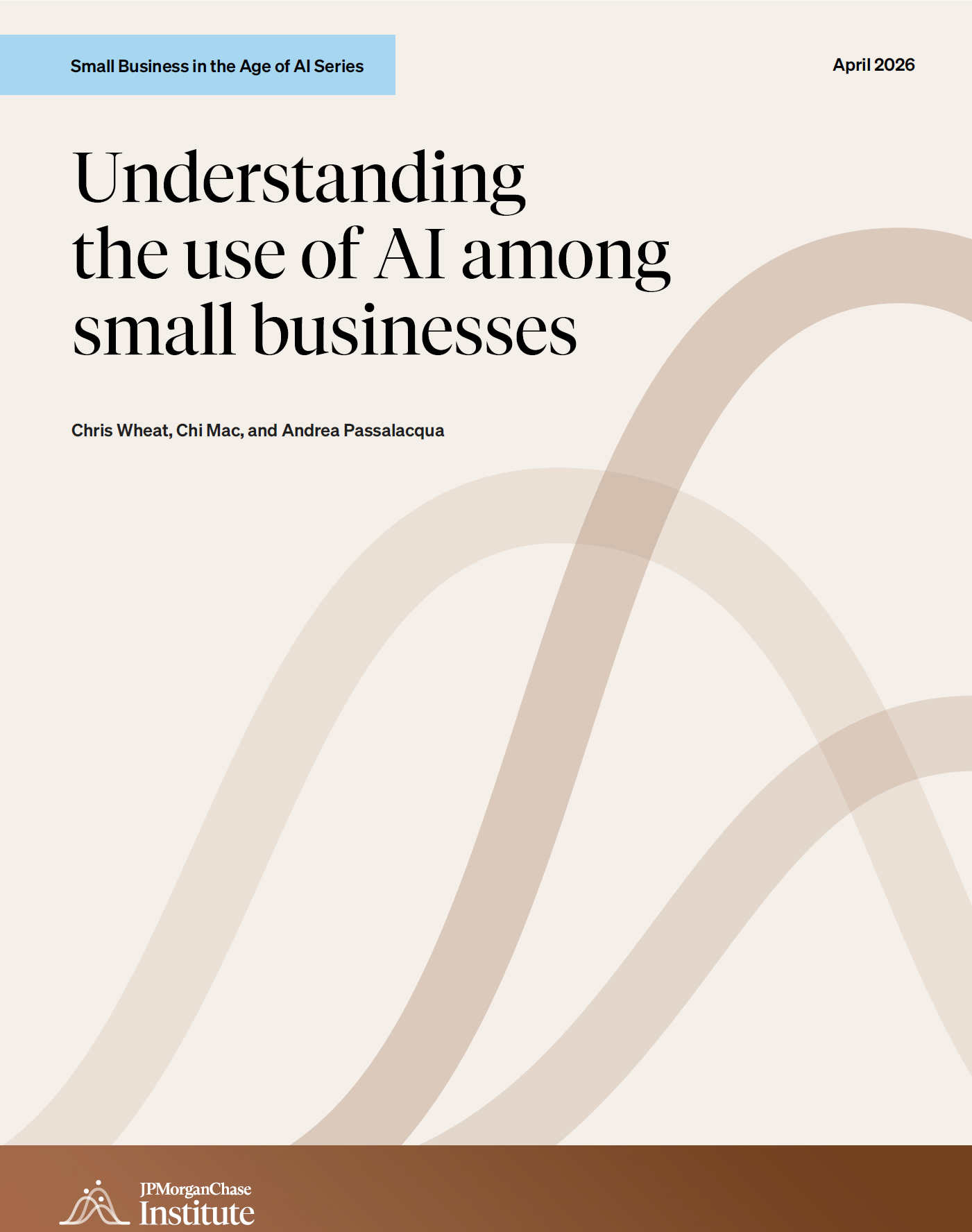
JPMorganChase Institute’s uses anonymised banking data to reveal how quickly small businesses are embracing AI. These insights offer a valuable picture of how technology is reshaping small businesses and showcase JPMorganChase’s ability to turn its proprietary data into research that strengthens its reputation as a trusted business adviser.
Longitudinal research – gathering the same data regularly, such as every year – adds further value. It can help you create a benchmark over time, or it can become a unique index or barometer that your audience will recognise and anticipate.
For instance, Deloitte’s Asia Pacific CFO Pulse Survey, which is published three times a year, explores the sentiment, priorities and key issues facing chief financial officers (CFOs) across the region. By tracking CFOs’ perspectives and challenges over time, Deloitte provides valuable insights into emerging business trends while strengthening its authority among senior finance leaders and creating opportunities for consulting engagements.

How to turn research into a readable report
It takes more than good data to turn research into a report your audience wants to read. You also need a clear purpose, a strong story and a thoughtful approach to bringing the findings to life.
At Editor Group, we’ve helped many leading organisations across a variety of industry sectors turn their original research into clear, engaging reports. Here are some pointers we’ve gained from our experience writing and editing those research-based reports.
Be clear about your audience and purpose
To create an effective research report, you need to first understand your audience and what you want the report to achieve. Who are you trying to reach? What matters to them? What do you want them to think, feel or do after reading your report? Answering these questions will help you decide which findings to highlight and how to frame them.
Identify the story
The next step is to tease out the story in your research.
A dataset or series of responses may give you the raw material for a report, but not necessarily its structure. Look for the major themes, insights and implications in the data, then organise the report around these points. This will help you build a clear argument.
Workshopping your ideas with a colleague, trusted adviser or professional editor can help you shape the story, simplify complex ideas and identify any gaps in your logic.
Use your data to reach a conclusion
Once you have the narrative, use your research to support it. Survey data, interview responses and other findings provide evidence for the points you want to make, and they ground your report in fact rather than opinion.
Finally, draw a strong conclusion. Explain what the findings mean, why they matter and what readers should take away from them.
Present your findings clearly
Once you’ve decided what to include in a report, how you present it is just as important. You need to deliver the information clearly and in a way that’s easy and interesting to read, especially when your findings are complex.
A logical structure will help readers navigate the report and understand how the ideas fit together. Using plain English makes complex findings easier to grasp. Presenting information visually in charts, tables and infographics can show patterns, comparisons and trends better than words alone. You can also add alt text – a brief written description that accompanies an image or graphic – to ensure it’s accessible to people who are blind or have low vision.
Proofread for accuracy and consistency
Once the content is done, proofread it carefully. Look for spelling, punctuation and grammar mistakes, for inconsistent terminology and styles, and incorrect figures, labels, headings and cross-references. Always check that statistics and other data have been accurately copied from the original research. If you can, ask someone else to review the copy for you.
If the report will be designed for print or PDF distribution, a final round of professional proofreading can help catch errors introduced during the design process, as well as issues that are difficult to spot in a Word document. Check for missing or duplicated text, awkward line and page breaks, inconsistent formatting, incorrect chart labels and captions, and discrepancies between the text and visuals.
A final review can turn a report that just looks finished into one that feels truly polished and professional.
Make your research investment count
Ultimately, commissioning original research is a significant investment, so it’s important that your final report delivers value for money. The keys to turning your research into something people will read and share are:
- drawing out the main insights from your findings
- focusing on what matters to your audience
- presenting everything clearly and accurately.
An insightful research report can also serve as the basis for other content, including media releases, articles, social posts, infographics, presentations, webinars and sales materials. This makes your investment go further and enhances the impact of your research.
That’s where having the right editorial support comes in. Our professional writers and editors can work with you at every stage, from shaping the narrative to polishing drafts and proofreading your final report. We can also help you repurpose your report into engaging content for different audiences and channels.
Learn more about how we can help. Or contact us to discuss your needs.
Ylla Watkins